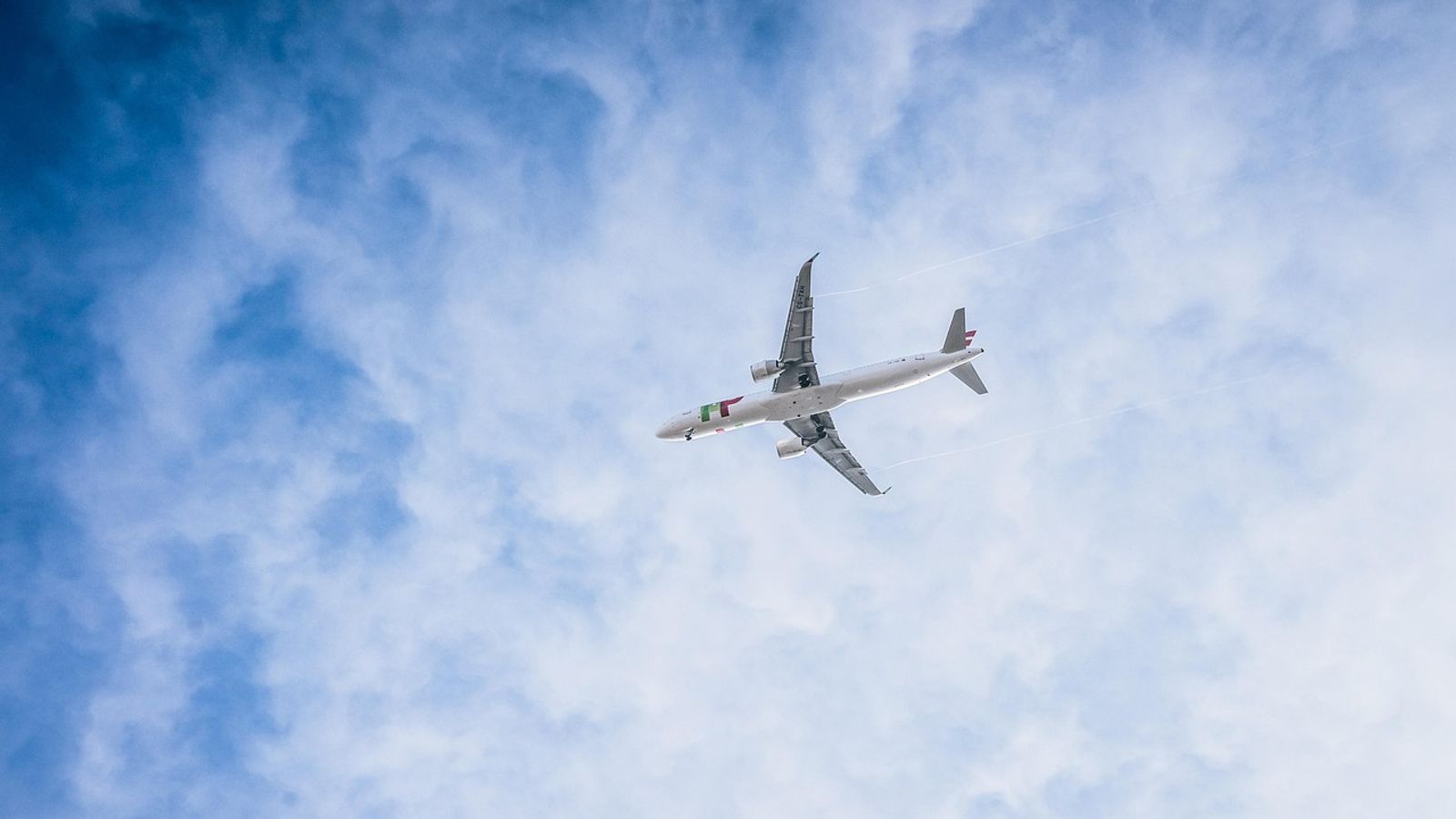
In a remarkable shift in North American aviation, Mexican low-cost carriers are consistently outperforming their US counterparts in 2025. Volaris and VivaAerobus have achieved superior on-time performance rates and often offer fares 30-40% lower than American Airlines, United, and Delta on comparable routes. This comprehensive analysis reveals why Mexican airlines are winning the battle for cross-border travel.
The Rise of Mexican Budget Airlines
Volaris, founded in 2006, has grown to operate 110 aircraft in 2025, while VivaAerobus has expanded its fleet to 65 planes. Both carriers have achieved remarkable on-time performance rates: Volaris at 89% and VivaAerobus at 87% for Q1 2025, compared to American Airlines' 82% and United's 80% on US-Mexico routes. This operational efficiency stems from their newer fleets and streamlined point-to-point networks.
Competitive Pricing Analysis
Recent fare comparisons show striking differences. On the popular Los Angeles (LAX) to Mexico City (MEX) route, Volaris typically offers base fares between $129-189, while American Airlines' fares start at $280-350. For Dallas (DFW) to Cancun (CUN), VivaAerobus averages $159-229, compared to United's $299-399 range. Even after adding ancillary fees, Mexican carriers maintain a significant price advantage.
- LAX-MEX: Volaris ($129-189) vs American ($280-350)
- DFW-CUN: VivaAerobus ($159-229) vs United ($299-399)
- ORD-GDL: Volaris ($169-249) vs United ($310-420)
Modern Fleet Advantages
Both Mexican carriers operate newer, more fuel-efficient fleets. Volaris exclusively flies Airbus A320/A321neo aircraft with an average age of 5.2 years, while VivaAerobus operates A320/A321neos averaging 4.8 years. In contrast, American Airlines' fleet averages 12.3 years and United's 14.1 years. These newer aircraft deliver 15-20% better fuel efficiency and require less maintenance.
Route Network and Frequency
As of 2025, Volaris serves 28 US destinations from Mexico, while VivaAerobus reaches 19. Their point-to-point model focuses on high-demand leisure routes, avoiding costly hub operations. This strategy allows for better aircraft utilization and fewer delays caused by connecting traffic.
Baggage and Fee Structure
- Carry-on: Volaris ($20-25) vs American ($30-35)
- First checked bag: VivaAerobus ($25-30) vs United ($35-40)
- Seat selection: Both Mexican carriers ($8-15) vs US carriers ($12-45)
Service Quality Metrics
Despite lower fares, Mexican carriers maintain competitive service standards. Volaris offers 29-30 inch seat pitch on A320neos, comparable to American's 30 inches. Both Mexican airlines have introduced digital solutions for faster check-in and boarding, with VivaAerobus achieving an average boarding time of 23 minutes versus American's 35 minutes.
Cost Structure Advantages
Mexican carriers benefit from lower operating costs, with labor expenses roughly 40% below US levels. They also maintain higher aircraft utilization rates: Volaris averages 12.8 hours daily per aircraft compared to American's 10.2 hours. These efficiencies translate directly to lower fares.
Customer Satisfaction Trends
Recent surveys show increasing satisfaction with Mexican carriers. Volaris achieved a 76% satisfaction rate in 2025, while VivaAerobus reached 72% - both surpassing United (68%) and American (70%) on US-Mexico routes. Key factors include better on-time performance and transparent pricing.
Booking Tips and Strategies
- Book 6-8 weeks ahead for best fares on Mexican carriers
- Consider mid-week flights for 15-25% savings
- Bundle bags and seats during initial booking for discounts
- Check both English and Spanish booking sites for different prices